
Could growing wheat blends increase yields and cut disease control costs?
Danish research suggests wheat blends could increase yields while reducing disease risk and resistance development, so should more growers try them?

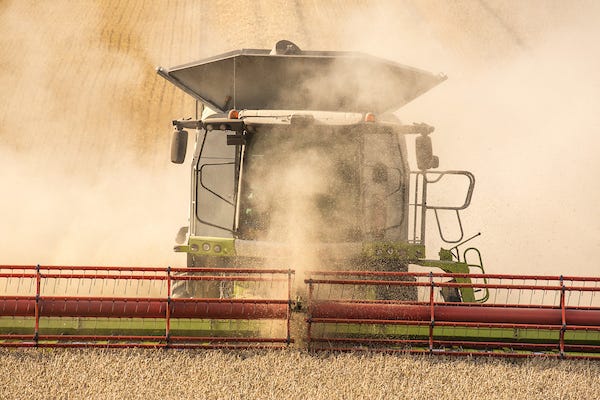
Growing wheat blends of different varieties could increase yields while reducing disease pressure, the number of fungicide applications and even fungicide resistance development, Danish research suggests.
The landmark research led by Rose Kristoffersen at Aarhus University as part of her PhD could provide impetus for more growers to use blends.
There were four parts to Dr Kristoffersen’s research – the first looked back over 19 years and 406 individual trials data from the Danish equivalent of UK Recommended List trials. Each year a four-way blend of varieties is grown as a reference, with septoria severity and yield compared with individual varieties, she says.
“Our analysis showed that the blends reduced septoria severity by around 10% while yields increased by 1.4% across the trials. In untreated trials, these advantages increased to a 17% reduction in septoria and 2.4% yield increase.”
Blends also yielded more than the average of the four most popular varieties in a given year.
The second part of the research investigated whether those results could be improved upon by designing blends specifically to reduce septoria.
“We looked at blends with different numbers of cultivars, blends with only resistant varieties, only susceptible varieties, and mixtures with different proportions of resistant and susceptible varieties.”
A key finding was more varieties in a blend produced a greater reduction in septoria compared with the average disease severity in the varieties grown individually. “For four varieties the reduction was 24%. The highest disease reductions were found in mixtures with both susceptible and resistant varieties.”
Blends made from just resistant varieties tended to show lower reductions in septoria, although the levels of disease in those plots was lower overall.
Overall 84% of the 200 mixture combinations trialled over three seasons reduced septoria severity, she notes, with 72% of the mixtures increasing yield in the 184 combinations taken to yield. “Yield increases were highest for the four variety blends at 3%.”
The third part of the research considered whether using blends could reduce the number of fungicide sprays required. Here the results were less conclusive. Around a third of trials suggested it would be possible to reduce the number of sprays, a third where it wouldn’t make sense to do so, and another third where there was a small reduction in yield from reducing the number of treatments, which wasn’t statistically significant, she explains.
“In the end it will come down to your attitude to risk, but if I was a farmer I would feel confident using a bit less. That was especially the case if you were growing four varieties of mixed susceptibility,” she says.
But if you are growing a blend of resistant varieties, it is less likely that you will be able to further reduce fungicide inputs compared with what you are already able to do by growing the individual resistant varieties, she adds.
The final part of the research looked at the impact of blends on fungicide resistance development – specifically looking at three azole mutations. “There were reductions in the selection of each of the three mutations by using blends,” Dr Kristoffersen says.
“Interestingly the mutation which was least widespread in the population showed the largest reduction.”
That could be positive for the impact of using blends to help slow down the development of SDHI resistance, she suggests.
The combined effects of the long-term benefit of avoiding losses due to reduced efficacy of fungicides, with the potential reductions in inputs and small yield increases help make the economic argument for using blends strong, Dr Kristoffersen suggests.
“Their use helps makes the system more resilient. While growers might not see an economic advantage in every season, especially if they can’t reduce fungicide inputs, they will across seasons through greater consistency.”
The Danish research in numbers
· 4+ variety blends best
· 24% reduction in septoria from 4 variety blends
· 3% yield increases from 4 variety blends
· 72% of all blends increased yields
· 84% of blends reduced septoria levels
Case Study: Angus Gowthorpe, Approach Farm, Hollicarrs, Yorkshire
A mix of wheat varieties with as much orange wheat blossom midge resistance as possible, similar maturity dates and good fungicide resistance were top of Yorkshire grower Angus Gowthorpe’s list when he started putting together his second wheat blend.
He was inspired to try his first blend of Skyfall, JB Diego and Relay on the 157ha mixed cropping and livestock farm, seven miles south of York, five years ago after hearing a presentation at a BASE-UK conference.
That first blend did three seasons on the farm but reports of Diego starting to break down on other farms persuaded Mr Gowthorpe the time was right to look for a new blend for drilling in autumn 2018.
With a bit more experience he knew the new blend needed to be a balance between disease resistance, harvest maturity dates, decent bushel weights and yield, which led him to choose Gravity, Shabras, Crispin and Kerrin.
“I wanted as much orange wheat blossom midge resistance as possible as I don’t want to use insecticides. Only Shabras doesn’t have this.”
Another key attribute was relatively early harvest maturity. In his no-till system wheat crops hang on for around a week more than others in the area, he says, something he puts down to better moisture retention, but he likes a reasonably early maturing wheat to allow enough time to establish a cover crop before his next cash crop.
“When growing blends the different harvest maturity dates do tend to balance up well in the field – within reason,” he says. “But obviously you don’t want a +3 with a -2 in the mix, as it will stick out like a sore thumb and won’t be ready to harvest when the others are.”
Using varieties with similar harvest maturity dates does restrict choice when looking at disease resistance. “I wanted fairly clean wheats to keep fungicide spend down so we are looking for the better scores.
“We’re also wanting to have varieties from different breeding lines, with different parents and grandparents, but it is very difficult as everything is so inter-related.”
That’s likely to continue as breeders use specific varieties with tolerance or resistance to barley yellow dwarf virus as breeding stocks for future varieties, he suggests.
The use of blends has helped him continue his regenerative agriculture journey, reducing fungicide use to just one synthetic fungicide at T2 this season for yellow rust control.
“Up until this season we have been fairly conventional in our approach with fungicides, but there’s no doubt the system has reduced fungal problems as soil health has improved and our organic matters have increased, allowing us to reduce rates.
“This year we have switched primarily to using biology and nutrition instead of synthetic fungicides. We’ve reduced nitrogen by 25%, which also helps reduce disease.”
While Mr Gowthorpe’s system is helping to drive these changes in agronomy, he says those with a more conventional system would also benefit from using varietal blends.
Marketing hasn’t been an issue, he says. “I primarily grow for feed, which isn’t a problem, but have also sold blends to local mills for biscuit use.”
A version of this article was first published by Farmers Weekly: https://www.fwi.co.uk/arable/variety-selection/can-wheat-blends-raise-yields-and-cut-disease-control-costs
UPDATE
After this article was published I tweeted about whether blends of wheat varieties should be included in the AHDB Recommended List trials in future.
There was positive responses from some AHDB staff.
So perhaps watch this space?
I don’t know whether my article was the inspiration for Cambridgeshire grower Tom Clarke, but it looks like he might be trying some blends this season.


